We welcome all to the Carpenter Museum and E. Otis Dyer Jr. Research Center!
Hours.
Tuesday: 1 p.m. – 4 p.m.
Thursday: 1 p.m. – 4 p.m.
1st Saturday of the month: 1 p.m. – 4 p.m.
Holiday hours and closures are posted on our Facebook page
Admission.
Adults: $5 (suggested donation)
Includes Museum and Research Center
FREE for visitors under 18, RAS members, and Rehoboth residents
Location.
Carpenter Museum
4 Locust Ave.
Rehoboth, MA 02769
Parking.
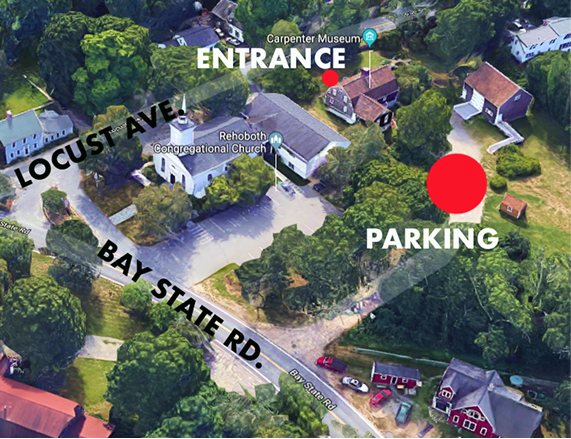
The Museum is located at 4 Locust Ave., Rehoboth, MA. GPS will take you to the front of the Museum, but the parking lot is located off of Bay St. Rd, behind the Rehoboth Congregational Church.
The Museum tour begins at the front door of the farmhouse. Please park in the lot and follow the path up the hill to the front door.
Accessibility.
The first floor of the Museum’s farmhouse is accessible via a ramp on the northern side of the building. For visitors wishing to use the ramp, please park in the Church lot off Locust Ave.
Please note that restrooms are located on the ground-floor of the farmhouse, so visitors requiring the use of the ramp would need to exit the museum via the ramp, drive around the corner to the parking lot, and enter the Museum via the basement entrance where the restrooms are located.
The Museum’s barn is accessible via a ramp, and there is an elevator that connects the first and second floors of the barn. There are no restrooms located in the barn.
Request a Tour.
With notice, we may be able to accommodate visitors at other days and times for special tours. For more information and pricing, please contact director@RehobothAntiquarian.org
Visitors may also request an appointment to view special collections not currently on display in the Museum. For more information and to request an appointment, please contact director@RehobothAntiquarian.org
Exhibits.
Permanent Exhibit
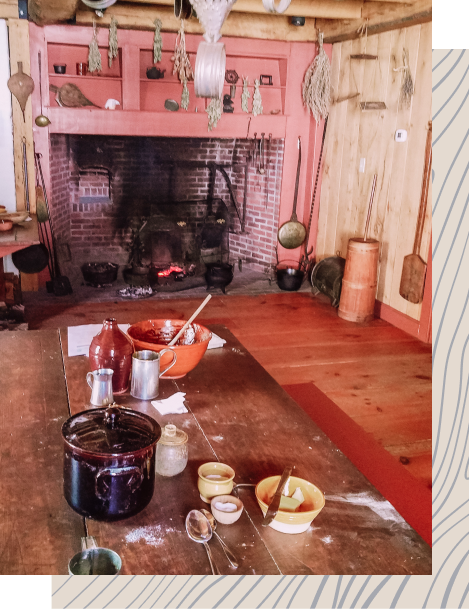
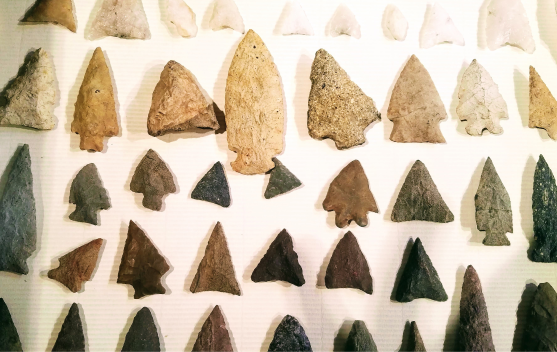
The Carpenter Museum has permanent exhibits on display in both our farmhouse and barn. These exhibits feature artifacts that showcase centuries of life in Rehoboth. In our historic modeled kitchen you will find cook pots, lanterns, dishware, pottery, candle molds, and more items used in the home. Our barn features farming equipment, weaving looms, carpentry tools, dioramas, sharpening stones, and more. In this space you can also see precolonial history artifacts in our cases dedicated to Native tools excavated right in town. There is something here for every kind of history buff.
Woven Histories: The Art and Labor of Early American Textiles
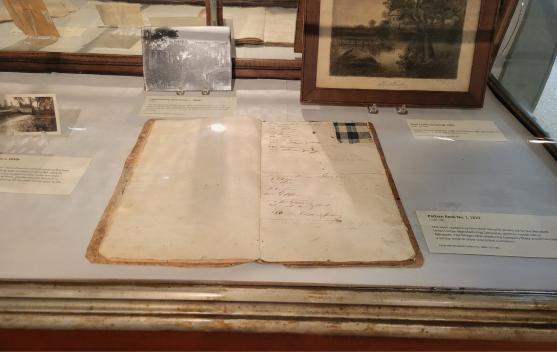
Before the Industrial Revolution transformed manufacturing, families in New England relied on their own skill and labor to produce the clothing and household textiles they needed. Every thread and piece of fabric began with raw materials grown or raised locally, such as flax for linen and cotton for cloth. Using spinning wheels and looms, Rehoboth residents turned these fibers into woven fabric, a process that required patience and precision. Because of the effort involved, clothing and linens were treasured possessions, often cared for and mended over many years. Everyday garments like nightshifts were commonly made from cotton or linen, while finer linens could be decorated or initialed, adding a personal touch that reflected both pride and practicality.
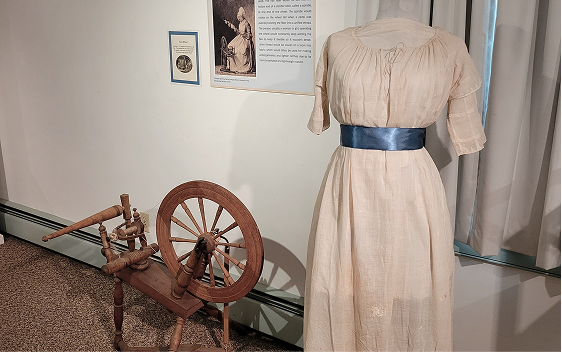
This exhibit explores the many ways in which early Rehoboth families created the textiles that sustained daily life, from warm bedding to fashionable bonnets. For a brief period, Rehoboth even had its own silk industry, a testament to the community’s creativity and ambition. The arrival of the Orleans Mill, a large cotton mill in town, marked a turning point in local textile production, connecting Rehoboth’s handmade traditions to the broader industrial movement that was reshaping America. Together, these stories trace the evolution of textile making in Rehoboth from homegrown necessity to industrial enterprise.